Puna Real Estate

Local insight from Penn Henderson, R(S)

PUNA, HAWAI‘I

Where Rainforest Meets New Earth

Puna is one of the Big Island’s most dynamic districts, where dense rainforest, lava fields, coastal roads, and volcanic landscapes create a place unlike anywhere else in Hawaiʻi.

This is not a one-note community. Puna includes rural subdivisions, jungle lots, coastal neighborhoods, agricultural properties, and creative small-town pockets centered around places like Pahoa.

For buyers, Puna can offer privacy, land, affordability, and a powerful connection to nature. It also demands careful due diligence, because nature here is not exactly shy.
Puna Real Estate

Pahoa and the Independent East Side Spirit


Pahoa is the cultural and commercial center for much of lower Puna, with shops, restaurants, schools, markets, and a distinct East Hawaiʻi personality.

The area attracts people who value independence, creativity, privacy, and a lifestyle less conventional than in many other parts of the island. That can be part of the appeal, assuming the buyer actually wants it and isn’t just romanticizing jungle living from a laptop in Scottsdale.

Puna rewards buyers who appreciate individuality and understand the realities of rural island life.

PUNA Real Estate

2025 Sales Data

Median Home $
vs. Previous Year
Median Land $
vs. Previous Year

EXPLORE

Properties in Puna

Get to Know

Puna

Lava, Land, and Real Estate Reality


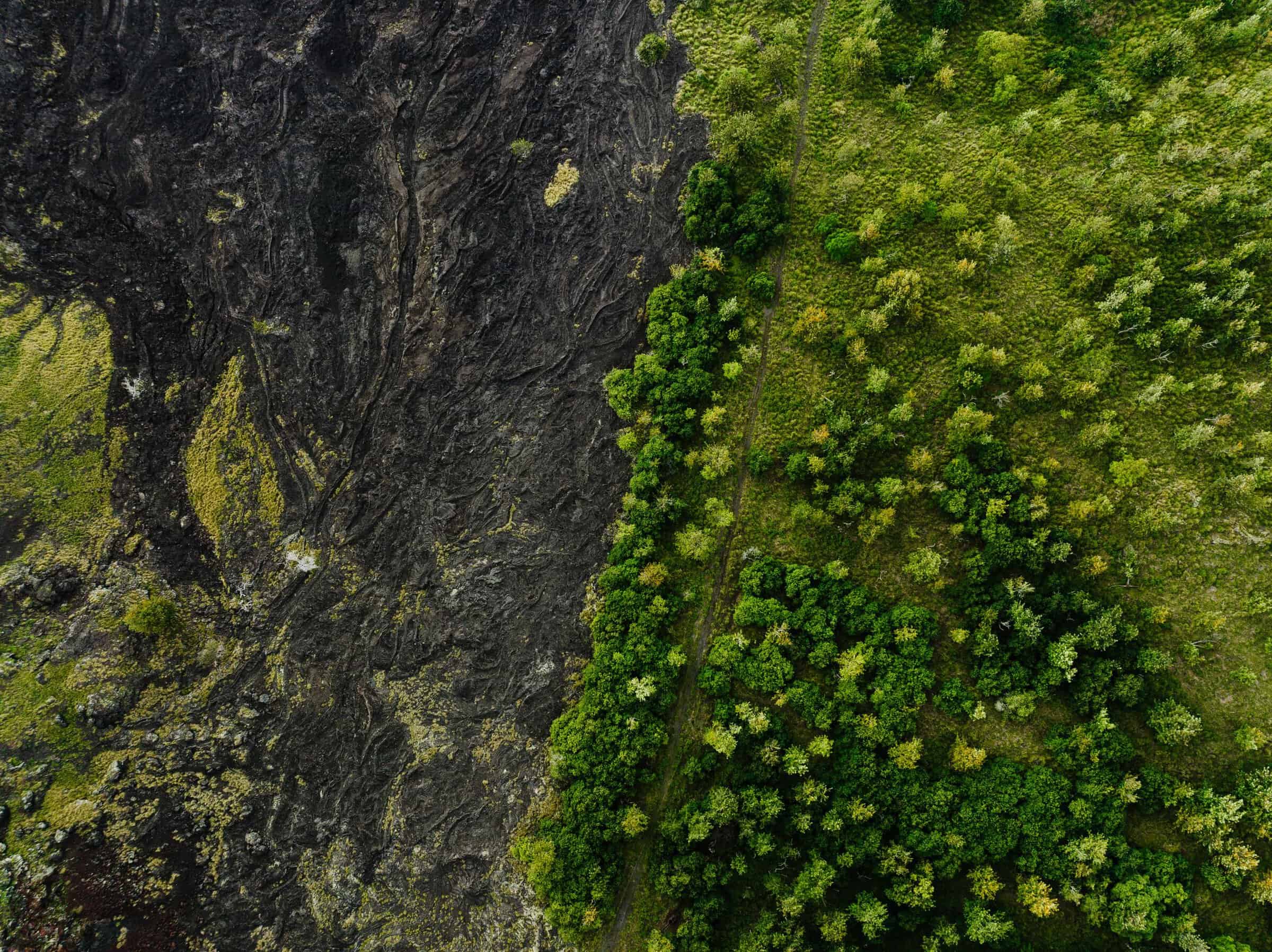
No honest conversation about Puna real estate can avoid lava. The 2018 Kilauea eruption reshaped parts of lower Puna, destroyed homes, buried subdivisions, and changed the landscape in lasting ways.

That does not make Puna “bad.” It makes it specific. Buyers need to understand lava zones, insurance, utilities, road access, catchment water, wastewater systems, and long-term maintenance before falling in love with a property.

In Puna, the right home can be extraordinary. The wrong fit can become a very expensive lesson with better scenery than most bad decisions.

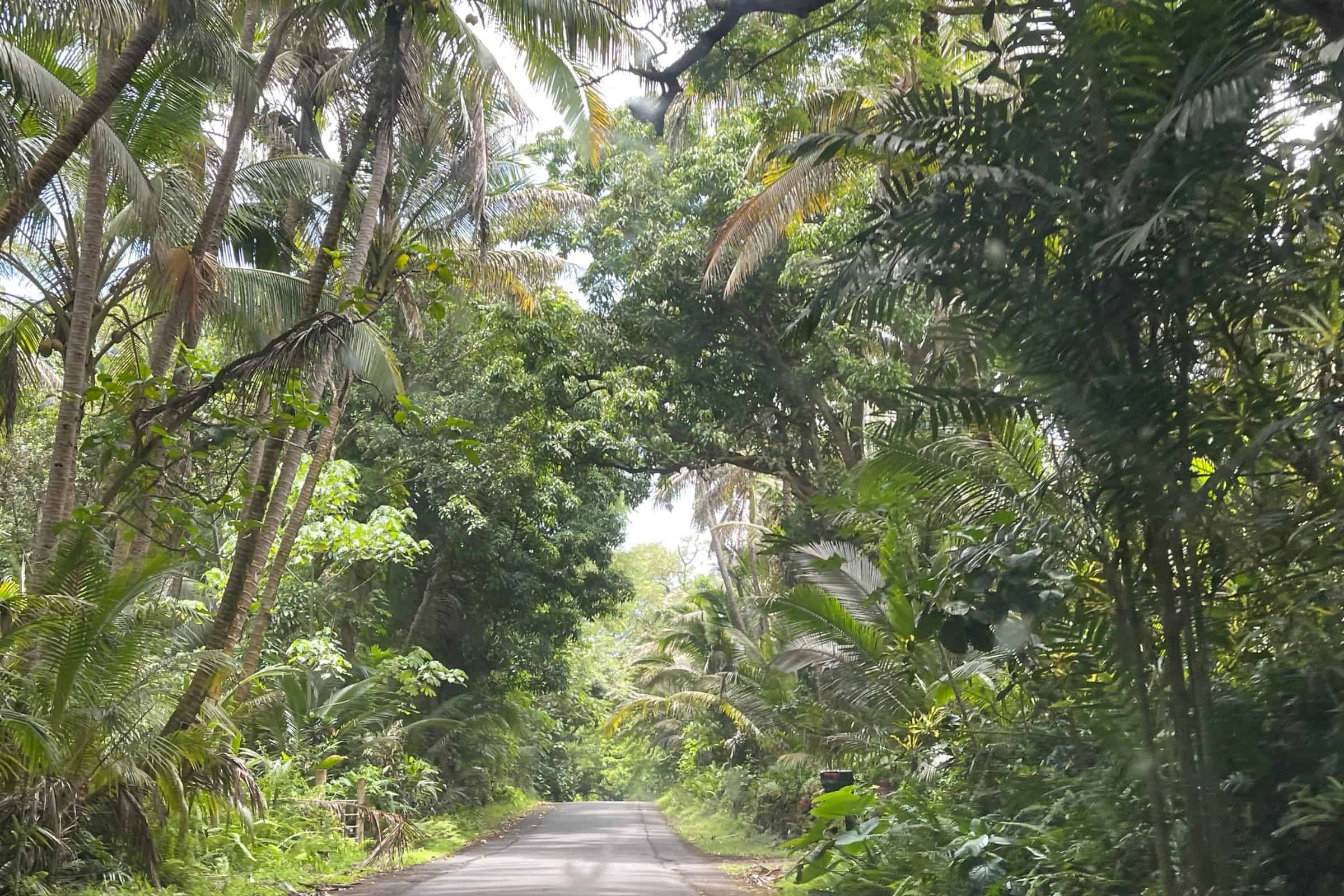
Lush tropical forest road in Puna, Big Island Hawaii, ideal for luxury estate exploration.

Why Puna Appeals to Adventurous Buyers


Puna is ideal for buyers who want space, privacy, tropical surroundings, and a lifestyle that feels close to the land. It can offer more attainable entry points than many other parts of the island, especially for buyers open to rural living.

The strongest Puna buyers are flexible, practical, and well-informed. They know the difference between a peaceful retreat and a property that needs too many compromises.

For the right person, Puna offers freedom, beauty, and a raw connection to Hawaiʻi Island’s living landscape.

FAQ


Common Questions About Real Estate in Puna

The southeast district, running from Keaau down through Pahoa to the coast and up into the rainforest subdivisions along Mauna Loa’s east flank. It is the fastest-growing district on the island and the least conventional. Most of the housing sits in large agricultural subdivisions platted decades ago, places like Hawaiian Paradise Park, Orchidland, Ainaloa, Hawaiian Acres, and Fern Forest, where lots were sold cheaply, and infrastructure was never built out. Pahoa and Keaau are the town centers. The landscape is lush, volcanic, and genuinely beautiful, and daily life here works differently than anywhere else on the island.

Because the costs that other districts fold into the purchase price are shifted onto the owner here. No county water in most subdivisions, so catchment. Private roads that owners maintain, many of them unpaved. Limited or no grid power in places. High lava hazard across much of the district, which restricts insurance and financing. Heavy rainfall and the maintenance that comes with it. None of this is hidden, and none of it makes Puna a bad purchase. It does mean the sticker price is the beginning of the math, not the end.

More than anywhere else on the island. Much of Puna sits in Lava Zone 1 or Zone 2, the two highest hazard ratings, because the district contains Kilauea’s east rift zone. Most national insurers will not write standard homeowners coverage in those zones, which pushes owners to the Hawaii Property Insurance Association at higher cost and narrower terms. Since lenders require proof of insurability to close, the insurance answer determines whether a loan funds. That is why so much of Puna trades in cash. Check the zone on any specific parcel first, before anything else.

Kilauea’s lower east rift erupted for three months in 2018, destroying more than 700 structures, largely in Leilani Estates and Kapoho, and permanently reshaping that coastline. Some roads and areas remain altered or inaccessible. The eruption did not affect the entire district, and much of Puna was untouched, but it made the hazard ratings concrete for anyone who had treated them as theoretical. Buyers should understand what happened, look at where flows actually went, and evaluate any property with that history in view rather than set it aside.

Sometimes, and it depends on the zone, the lender, and whether the structure is permitted. Some lenders decline Zone 1 and Zone 2 outright. Others will lend with insurance in place. Unpermitted construction, which is common here, will preclude most conventional financing, regardless of the zone. Seller financing and cash are both far more prevalent in Puna than elsewhere on the island for exactly these reasons. Get a lender answer and an insurance quote before you write an offer, not during escrow.

It is the single most common issue in Puna transactions. A great many homes and additions here were built without permits, sometimes decades ago, and the listing may or may not disclose it. Unpermitted square footage affects financing, insurance, appraisal, resale, and your exposure if the county ever takes an interest. Sometimes it can be permitted after the fact, and sometimes it cannot. Never rely on a listing’s square footage here. Pull the county records and compare them against what is physically standing before you commit to anything.

Better than mainland buyers expect, and it is a genuine adjustment. Rainwater runs off the roof into a tank and is filtered for household use, and Puna’s rainfall makes it reliable. Tank condition, roof material, filtration setup, and storage capacity become things you inspect and maintain yourself. Where grid power is unavailable, homes run photovoltaic with battery storage and often a generator. Solar equipment has a real lifespan and real replacement cost. Internet and cell coverage vary considerably. Ask for the actual system details for any property rather than accepting “off-grid” as a feature.

Often private, often unpaved, and maintained by owners rather than the county. In large agricultural subdivisions, road maintenance is frequently handled through voluntary associations or informal arrangements, and conditions vary widely from one subdivision to the next and even between streets. Access affects deliveries, contractor willingness, emergency response, and what vehicle you need. Drive to the property yourself in your own rental car before you get serious. That drive tells you more about the purchase than the house tour will.

Self-reliant people who want land and independence and are clear-eyed about the tradeoffs. It has drawn artists, growers, homesteaders, and people building something on their own terms for fifty years, and the community that resulted is genuinely its own thing. It works poorly for anyone expecting municipal services, anyone who needs conventional financing on a nonconforming property, and anyone who has not honestly weighed the hazard picture. Both kinds of buyers exist here. Only one of them is happy in year three.

Generally not, and I would rather say so plainly. My base is Kona, and Puna is well over two hours away, which does not support the availability a client deserves for showings, inspections, and the due diligence this district in particular requires. What I do instead is partner with my Compass colleagues on that side, who work it daily and know the subdivisions, the permitting history, and the lenders who will actually close. Reach out, and I will connect you with the right person, make the introduction directly, and stay involved as much as you want.

Talk Story


Every Big Island move starts with a conversation. Tell me what you are looking for, and we will take it from there.


Compass Real Estate in Kona, Hawaii - Penn Henderson, Big Island Real Estate
Penn Henderson of Compass

75-1029 Henry St., Suite 301
Kailua-Kona, HI 96740


Phone: (808) 345-6214
Email: penn@pennhenderson.com