
Kona Swimming
Kona | Kohala Coast | Hawai‘i
Kona, Big Island
Crystal Clear Hawai‘i Waters
Swimming in Kona means water in the high seventies year-round, a marked buoy line off Kailua Pier, and a public pool a five-minute walk up the road. Very few places make swimming this easy to build into an ordinary week. It is one of the real, unglamorous benefits of living here.
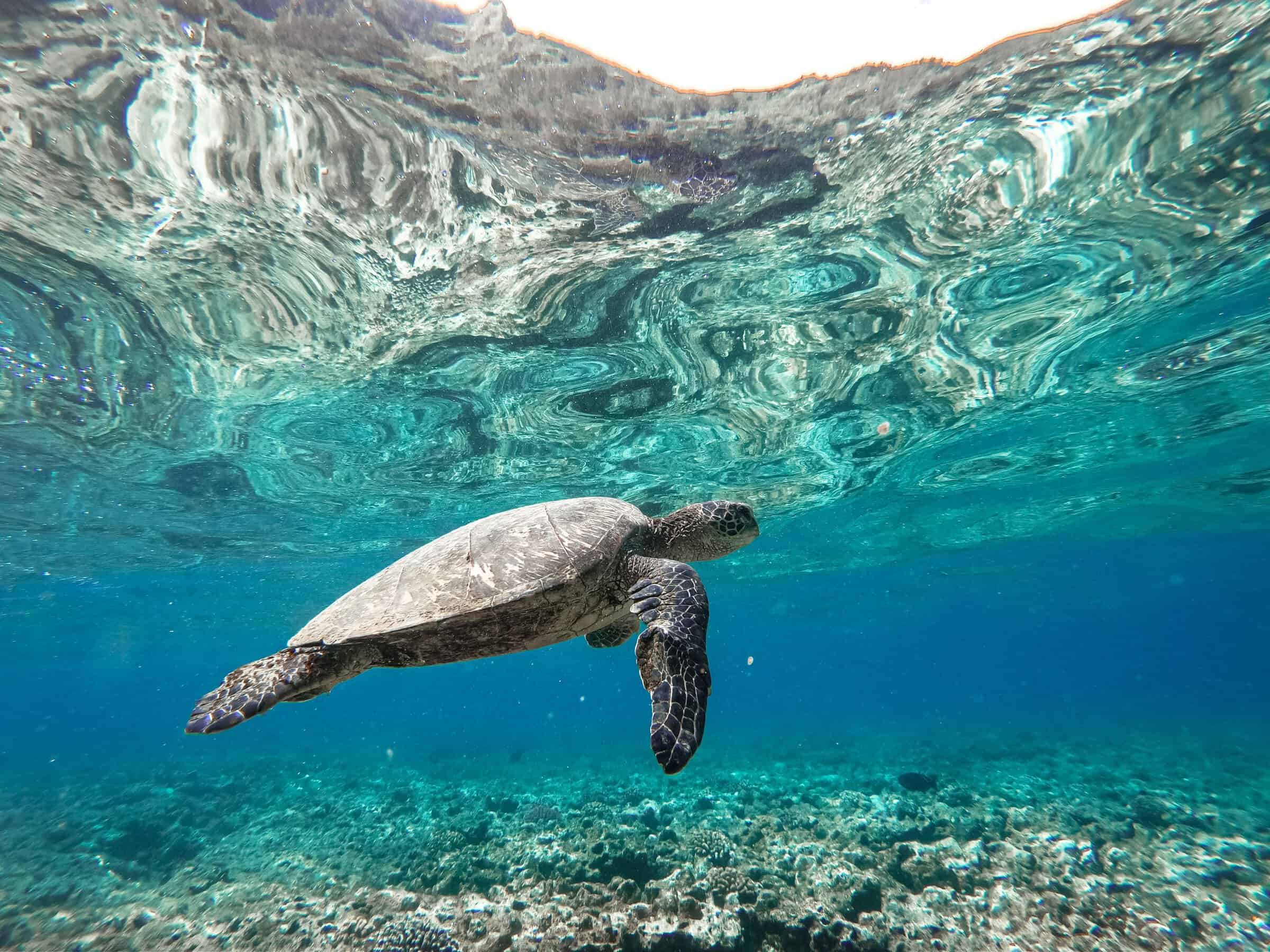
The Morning Swim is Everything
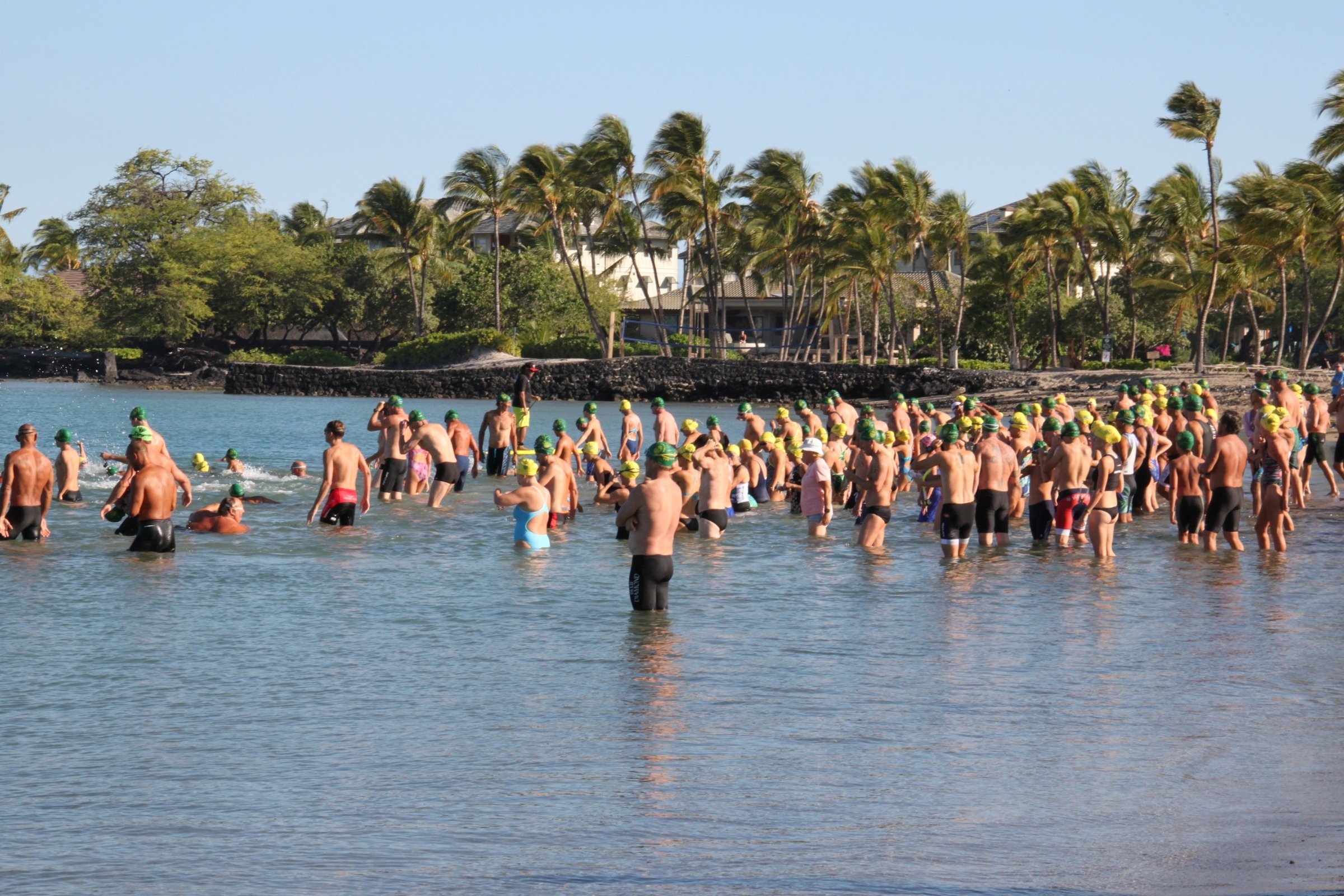
Most days on this coast start the same way. People turn up at the pier, find whoever else is there, and go out. No roster, no schedule. Around eight is when the most swimmers are in the water, and the standing rule, the one nobody bends, is that you do not go alone.
That is also the fastest way into this community as a newcomer. Show up, ask who is heading out, and you are in. I have watched more than a few people arrive here knowing no one and build a circle of friends within a month because they started swimming in the morning.
Where to Swim in Kona
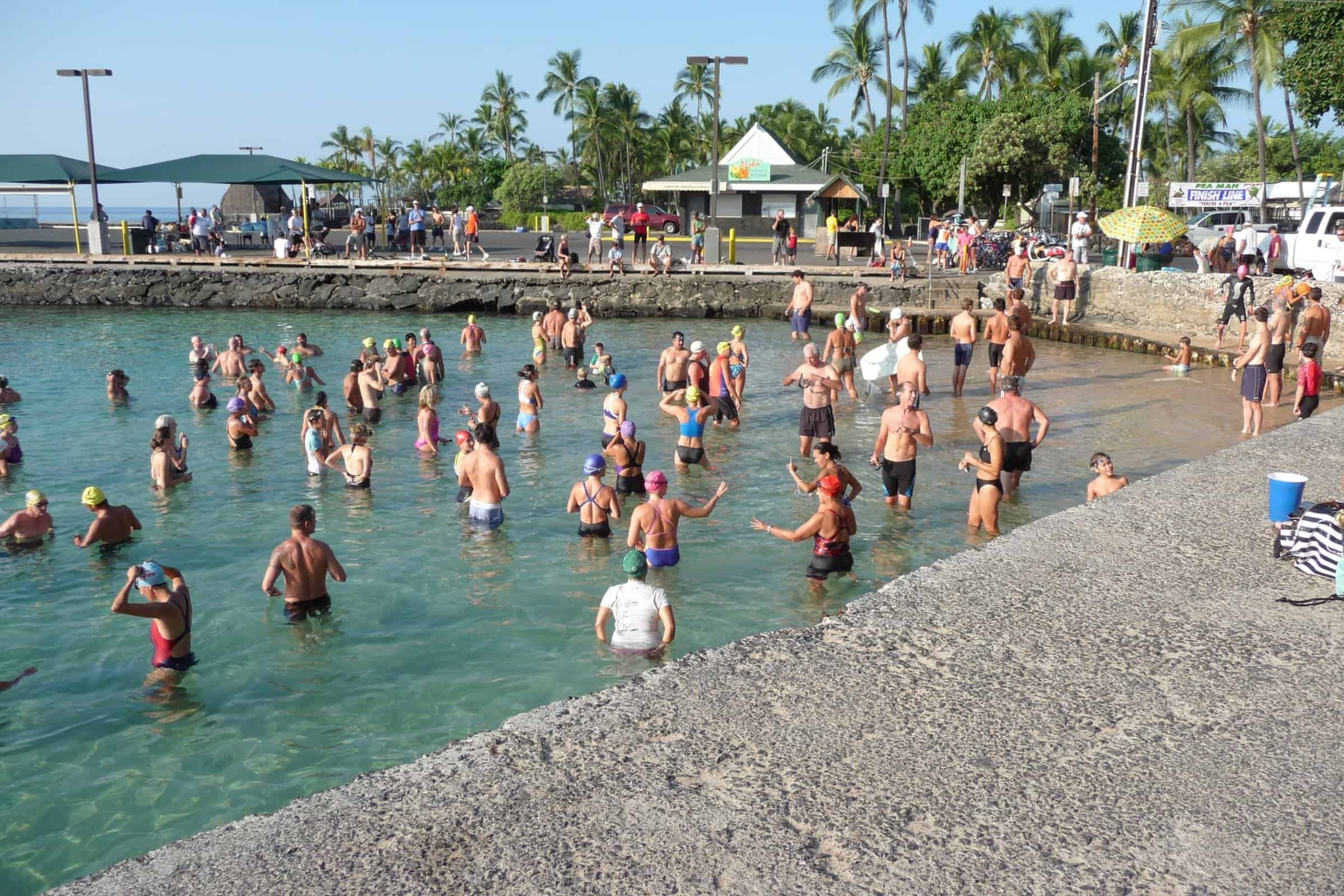
Kailua Pier
Dozens of people swim here every morning off the pier on a marked buoy line, and around eight, most of them are in the water. Informal groups form and reform, and the standing rule is that you go with somebody. The water stays in the high seventies year-round. This is the same course the World Championship swims use, right out your front door.

Kona Community Pool
The public outdoor pool is just up the road from the pier and is a genuinely good facility. It offers lap swimming and lessons and is home to several local clubs, including youth and masters teams. Most people here fix their stroke before taking it into the ocean, and it is the answer when the surf is up, or you want a set you can control.

Kahalu‘u Bay
A protected reef bay in Keauhou, shallow and calm, with a lifeguard tower. The best snorkeling water close to town, and where families go when someone in the group isn’t a confident swimmer. It gets busy by mid-morning. The reef is shallow enough that you need to be careful with your fins and your feet.
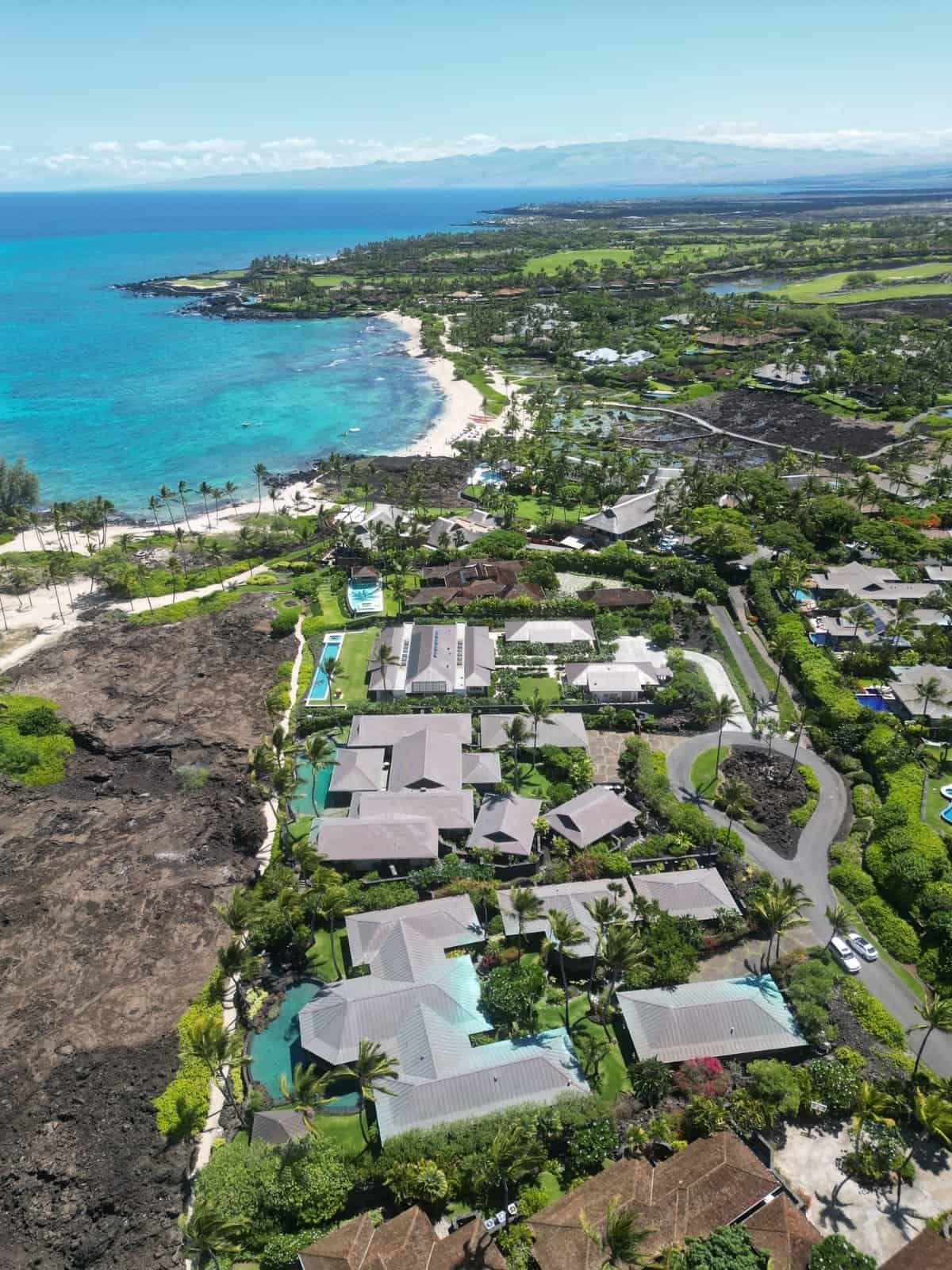
Kikaua Point
A small, protected cove at Kukio, gated and requiring a beach access pass, which is mostly why it stays quiet. Calm enough for small children and clear enough that you will not want to leave. If you are looking at property along that stretch of the Kohala Coast, this is an amenity people underrate until they have swum here once.
Six Epic Open Water Swim Events
Ocean Swim Events on The Big Island

Anaeho‘omalu Splash
The opening race of the West Hawaii Triple Crown, a one-mile swim in A-Bay at Waikoloa Beach Resort. Protected, shallow, and about as friendly an introduction to open water racing as you will find. You swim over live reef the whole way with a real chance of a honu underneath you at some point. Good first race if you have been doing pier swims and want to test your fitness.

Hapuna Roughwater
The second Triple Crown race, held at Hapuna Beach State Park on a beach that shows up on the world’s best lists most years. One mile tracing the outer edge of Hapuna Bay, which means you are out past the protection for much of it, and the name is not decorative. Bigger water than A-Bay. Beautiful swim, and the reason many people come back for the whole series.

Kamakahonu
The Triple Crown finale starts with the IRONMAN™ swim start at Kailua Pier. You pass Kamakahonu Beach and the heiau Kamehameha built before finishing back at the pier. Short, historic, and the one where the whole local swim community turns out. If you only do one race on this list, this is a good argument for which.

The Ali‘i Challenge
The island’s ultra-long-distance swim, six miles from Keauhou Bay north to Kamakahonu at the pier. It has been going on since 1986 and includes solo swimmers and relay teams, with or without fins. You’ll be in open water along the Kona coast for hours, and marine life sightings are part of what people come back for.

Kukio Blue Water Swim
Hosted by Kukio and run point-to-point, 1.2 miles from Kua Bay to Uleweuwu Bay along the Kona Coast. Clear water, frequent dolphin sightings, and a stretch of coastline most people never see. It is one of the more scenic swims on the calendar, and it draws a strong field. Watch for the registration date, since it doesn’t stay open long.
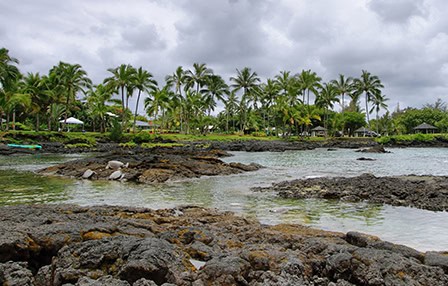
Richardson Roughwater
A drive-in event held at Richardson Ocean Park in Hilo, on the other side of the island. Calm, reef-protected water, black sand, and a lush stretch of East Hawaii coast that looks nothing like the Kona side. A genuinely community-run event, often paired with environmental education and marine conservation work.
Penn Henderson, R(S)
The Ocean is My Backyard
Kailua Bay is the water I know best. Rani and I have swum and raced the pier course more times than I could reconstruct, and between the Triple Crown series, Peaman, the Hoʻala swim, and the IRONMAN™ World Championship, most of what is on this page is water we have actually been in.
That gives me a feel for the coast that is hard to get from shore. Which bays go flat in the morning and which stay lumpy. Where the current sets up. Which stretches of coastline look calm from Aliʻi Drive but aren’t. When a client asks about the water near a particular property, I can provide a firsthand perspective.

Kona Swimming
Getting in the Water Here
Swim Safe
Never swim alone. That is the first rule here, and it is not negotiable, because open water off this coast has currents, boat traffic, and no one watching from a tower. Go with the group at the pier, or go with a friend. Know the conditions before you get in, and know that they can change.
Getting Started
If you are new to open water, start in the pool. The Aquatic Center is where people build the stroke and confidence, and the transition into the ocean goes much more smoothly from there. After that, join a morning pier swim. It is informal, it is welcoming, and nobody is going to time you.

Swim Clubs
Kona Aquatics and Kona Dolphins both run youth teams, lessons, and masters programs out of the Aquatic Center. Masters is the fastest way for adults to join the local swim community, whether you are training for something specific or just want structure and people to swim with.
What Swimmers Ask Before Buying
The question I hear most is how close the water is, and on this coast, that means something specific. Not oceanfront. Close enough that you will actually go on a Tuesday before work without loading anything into a car. That distance is shorter than people think, and it decides whether the habit survives the move.
The rest is access. Whether a stretch of shoreline has a legal entry point, whether a resort community’s beach requires a pass, whether the water in front of a property is swimmable or just scenic. Those answers exist, and they vary block to block. I can work them out with you for a specific property before you commit.

Best Spots to Buy if You Love Swimming
FAQ
Common Questions About Swimming In Kona
Talk Story
Every Big Island move starts with a conversation. Tell me what you are looking for, and we will take it from there.


75-1029 Henry St., Suite 301
Kailua-Kona, HI 96740
Phone: (808) 345-6214
Email: penn@pennhenderson.com
